Magazine Printing in Kenya: How to Choose Size, Paper and Binding
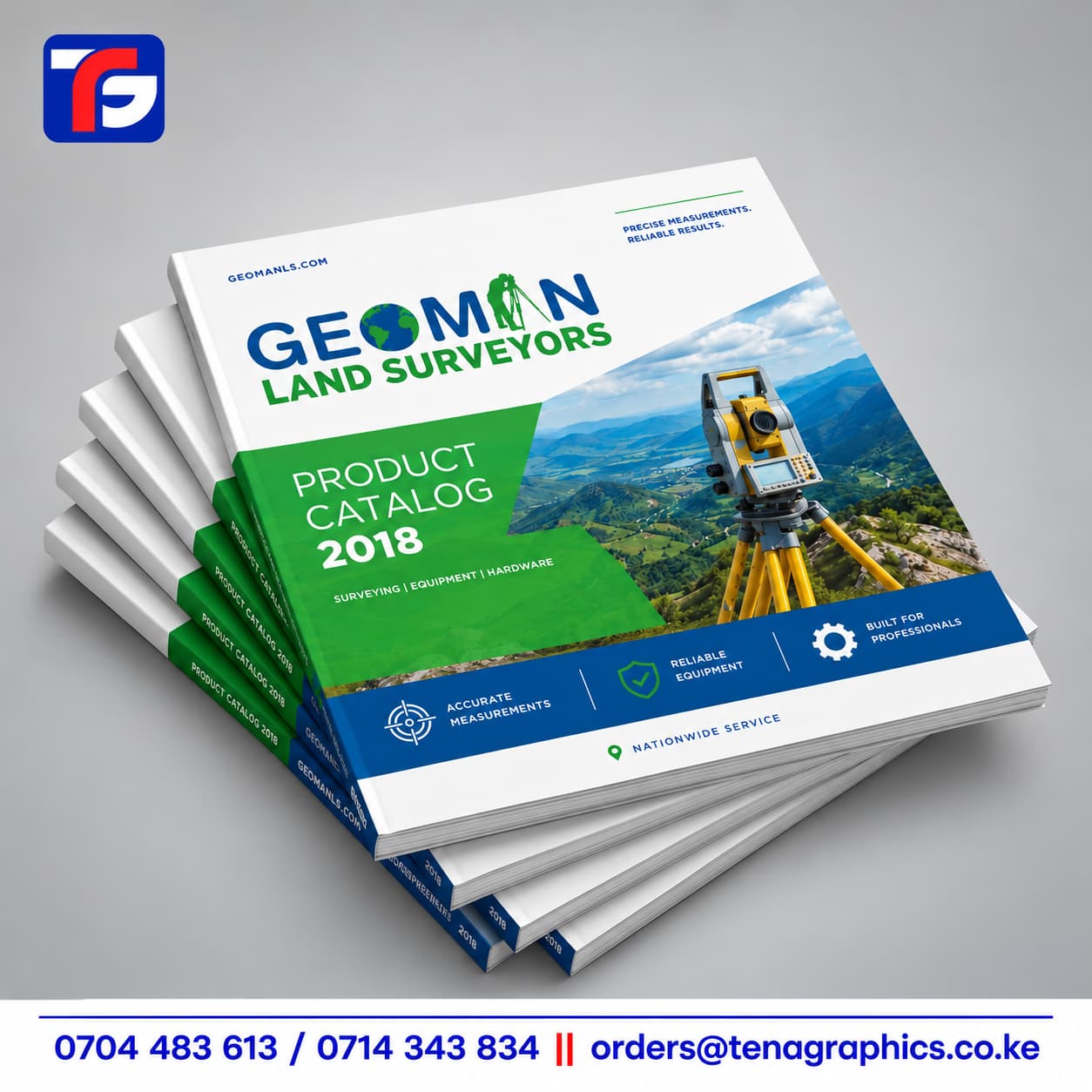
Planning magazine printing in Kenya starts with choosing a format that suits your content, readers and budget. Whether you are preparing a school magazine, company publication or church anniversary edition, the size, paper and binding all affect the finished result.
A well-planned magazine should feel comfortable to read, display photographs clearly and keep its pages secure. Preparing these details before requesting a quotation also helps you compare printing options accurately.
Tena Graphics offers magazine printing in Kenya. This guide explains what to consider before submitting your publication for printing.
Decide What Your Magazine Needs to Achieve
Start with the purpose of the publication. A company magazine may share business updates and customer stories. A school magazine might feature student work, photographs and achievements. A church publication could document an anniversary or introduce community projects.
Your purpose helps determine the amount of content, the layout and the number of copies you need.
Before starting the design, agree on:
- Your intended readers.
- The articles and photographs to include.
- The approximate page count.
- The number of copies.
- Your budget.
- The date you need the finished magazines.
If several people will contribute content, set a submission deadline. This gives your editor and designer time to organise the material before printing.
Choose a Suitable Magazine Size
Magazine size affects writing space, image placement and how readers handle the publication.
An A4 format provides more room for photographs, longer articles and advertising layouts. A5 offers a smaller publication that is easier to carry. Custom sizes may also be possible, depending on the printing specification.
| Format | Standard dimensions | When to consider it |
|---|---|---|
| A4 | 210 × 297 mm | Publications with detailed articles, photographs and larger layouts |
| A5 | 148 × 210 mm | Compact magazines, community publications and smaller editions |
| Custom size | Confirm during quotation | Publications requiring a specific shape or brand format |
Choose the size before finalising the layout. Changing it later can require adjustments to text, photographs and page spacing.
For custom formats, ask how the dimensions affect production and pricing.
Plan the Page Count Before Designing
The page count influences paper use, binding options and the overall quotation. Prepare a content list so you can estimate how much space each section needs.
Include the cover, contents page, articles, advertisements and any acknowledgements in your planning.
Also clarify whether your quoted page count includes the cover. For example, “32 pages including the cover” describes a different specification from “32 inner pages plus a four-page cover.”
For stapled magazines, printers commonly plan pages in multiples of four because of the way sheets fold into sections. Confirm the required page arrangement with your printer before completing the artwork.
Avoid adding pages simply to fill space. A shorter publication with useful content can serve readers better than a longer one with repeated material.
Select Paper for the Cover and Inner Pages
The cover and inner pages do not have to use the same paper. A heavier cover can give the magazine more structure, while lighter inner pages can keep a longer publication manageable.
Paper weight is usually expressed in GSM, meaning grams per square metre. However, GSM alone does not describe how a paper will feel or reproduce images. The paper type and finish matter too.
Ask to compare available samples where possible.
Gloss Paper
Gloss paper has a shiny surface that can suit publications with colourful photographs and promotional content. Consider how lighting and reflections may affect reading.
Matte or Silk Paper
Matte and silk finishes offer a less reflective appearance. These options may suit magazines that combine substantial text with photographs.
Uncoated Paper
Uncoated paper has a more natural surface and may suit text-focused publications or a particular visual style. Image reproduction can differ from coated paper, so discuss your expectations before choosing it.
Confirm the paper stock for both the cover and inner pages in your quotation.
Compare Stapled and Perfect Binding
Binding holds the magazine together and affects how readers open it. The suitable method depends on the page count, paper thickness and intended use.
| Binding method | How it works | What to consider |
|---|---|---|
| Saddle stitching | Staples secure folded sheets along the centre fold | Often suitable for shorter publications; confirm the practical page limit |
| Perfect binding | Adhesive secures pages inside a wraparound cover | Often suitable for thicker publications; confirm the minimum spine thickness |
A high page count does not automatically mean perfect binding is the right choice. Paper thickness also affects the spine and how the publication handles.
If you want wording on the spine, ask whether the finished thickness provides enough space. Confirm the available binding options when requesting your magazine printing quotation.
Prepare Clear, Print-Ready Artwork
Good artwork preparation helps avoid unexpected cropping, blurry images and layout problems.
Ask your printer for the file specifications before exporting the final document. These should cover the page size, bleed, colour requirements and preferred PDF settings.
Check the following:
- Image quality: Use original, high-resolution photographs where possible.
- Margins: Keep text and important details away from trim edges.
- Bleed: Extend background colours and edge-to-edge images beyond the trim line as instructed.
- Fonts: Embed fonts in the exported PDF where required.
- Page order: Confirm whether the printer wants single pages or another arrangement.
- Colour: Follow the printer’s colour profile and export instructions.
Do not assume that a design viewed on a phone will reproduce exactly in print. Screens and printed paper display colour differently.
Review the Proof Before Approving Production
Check the publication carefully before approving it. Printing can reproduce an approved file accurately, including any errors left in the artwork.
Review names, captions, dates, page numbers and contact details. Make sure the contents page points to the correct sections.
Check photographs for cropping and confirm that advertisements use the latest artwork. If your publication includes QR codes, test them at the intended printed size.
For colours or images that are especially important, ask about physical proofing options and any related cost. A digital proof helps you review layout, but it does not fully show the finished paper, binding or printed colour.
What Affects Magazine Printing Prices in Kenya?
Magazine printing prices depend on the complete specification. Comparing quotations is easier when every supplier receives the same requirements.
The main details include:
- Finished size.
- Total page count.
- Number of copies.
- Colour or black-and-white printing.
- Cover and inner-page paper.
- Binding method.
- Cover finishing.
- Artwork preparation.
- Delivery requirements.
A larger order may reduce the cost per copy, but it also increases the total amount you spend. Choose a quantity based on your distribution plan.
Ask whether the quotation includes VAT, delivery, design work and proofing. Confirm the production timeline after the artwork and specifications are agreed.
Prepare These Details for Your Quote
You do not need to know every technical term to make an enquiry. Start with the information you have and ask for help choosing the remaining specifications.
Send:
- The purpose of your magazine.
- Your preferred size.
- The estimated page count, stating whether it includes the cover.
- The required number of copies.
- Your preferred paper and binding, if known.
- Whether the artwork is ready.
- Your delivery location and required completion date.
If your magazine must arrive before a launch, anniversary or school event, include that date from the beginning. Allow time for proofreading, artwork changes and production.
Order Magazine Printing from Tena Graphics
Ready to organise magazine printing in Kenya? Explore our Magazine Printing Kenya service and share your publication requirements.
Send your preferred size, page count, quantity and artwork status. Include your deadline and delivery location so we can prepare a quotation based on the correct specification.
Call or WhatsApp: 0704 483 613
Email: orders@tenagraphics.co.ke
Comments
No comments yet. Be the first to share your thoughts.
Need printing or branding for your business?
Tena Graphics EA Ltd offers high-quality printing, corporate branding, merchandise, business cards, banners, and apparel across Kenya with fast delivery.